This research examines whether integrating yoga into university curricula can improve student well-being and academic success. Through a credit-bearing freshman seminar combining yoga practice, meditation, and coursework, the study evaluates changes in holistic well-being and academic performance, aiming to address the growing mental and physical health challenges facing students.
This research examines how educational assessment systems can become more just, inclusive, and culturally relevant. Using participatory action research, it proposes a five-step framework emphasizing community collaboration, anti-racist assessment design, continuous revision, and student-centered approaches that prioritize equity, engagement, identity, and educational justice over standardized measurement alone.
This research examines how universities communicate career advice and support services to students. Through surveys and focus groups at UMass Amherst, the study identifies student needs for less stressful, more inclusive, and more integrated career guidance. The findings inform policy and curriculum improvements aimed at better supporting student futures.
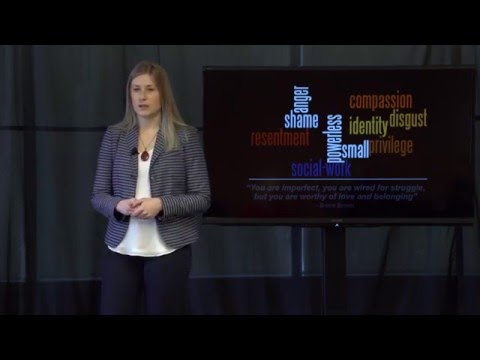
This research examines shame among social work students and its role in burnout. Interviews reveal key triggers: emotional coping struggles, perceived privilege, and societal stigma toward the profession. The findings highlight the need for training programs to address shame, improving well-being and enabling future social workers to better support their clients.