This research explores how generative AI can create personalized reading materials based on autistic children’s special interests. Using AI-generated stories tailored to individual passions, the study examines effects on engagement and story retelling, suggesting that personalized, strength-based educational tools may improve reading experiences and accessibility for neurodivergent learners.
This research examines how educational assessment systems can become more just, inclusive, and culturally relevant. Using participatory action research, it proposes a five-step framework emphasizing community collaboration, anti-racist assessment design, continuous revision, and student-centered approaches that prioritize equity, engagement, identity, and educational justice over standardized measurement alone.
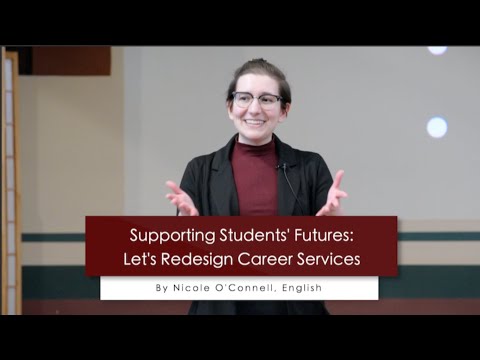
This research examines how universities communicate career advice and support services to students. Through surveys and focus groups at UMass Amherst, the study identifies student needs for less stressful, more inclusive, and more integrated career guidance. The findings inform policy and curriculum improvements aimed at better supporting student futures.
This research uses ethnomathematics to make learning culturally relevant for Indigenous students like Awang. By connecting mathematical concepts to daily life and traditions, it improves engagement, identity, and understanding. The approach supports inclusive education aligned with SDG4, ensuring classrooms adapt to students rather than forcing students to adapt to them.
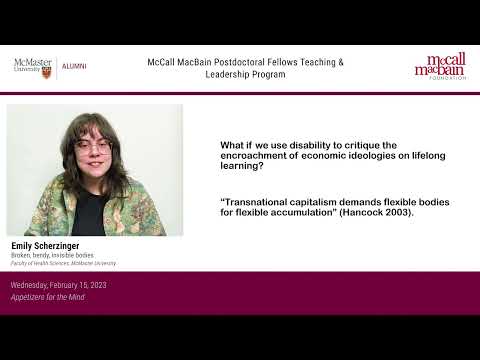
This talk critiques Western lifelong learning policies through a disability justice lens, arguing that education has been shaped by individualism and market value rather than collective care and inclusion. Drawing on personal experience with hypermobility, it reframes disability as a source of interdependence, imagination, and new educational possibilities.
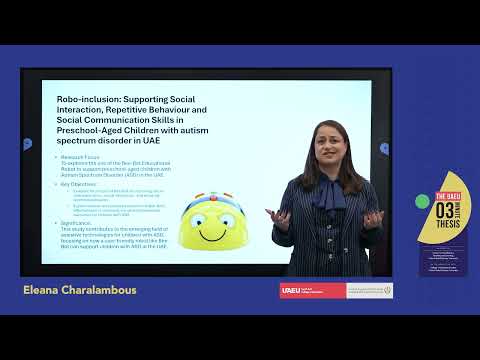
This research investigates the use of Bee-Bot, a programmable robot, to support children with autism. Structured robot-based activities aim to improve communication, social interaction, and purposeful play, while incorporating parent and teacher perspectives to assess long-term developmental and behavioral benefits.