This research explores how generative AI can create personalized reading materials based on autistic children’s special interests. Using AI-generated stories tailored to individual passions, the study examines effects on engagement and story retelling, suggesting that personalized, strength-based educational tools may improve reading experiences and accessibility for neurodivergent learners.
This study examines whether picture-based communication boards can help minimally verbal autistic preschoolers initiate communication independently. Through structured play sessions, children are introduced to visual tools that may support self-expression without adult prompting. The research aims to enhance participation, language development, and autonomy by shifting children from passive observers to active communicators.
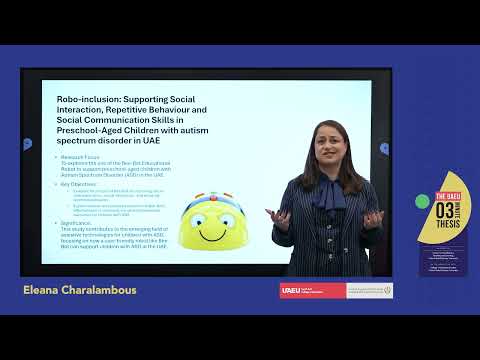
This research investigates the use of Bee-Bot, a programmable robot, to support children with autism. Structured robot-based activities aim to improve communication, social interaction, and purposeful play, while incorporating parent and teacher perspectives to assess long-term developmental and behavioral benefits.