This study analyzed long-term changes in forest composition in the Spanish Iberian Range using National Forest Inventory data and Landsat imagery. Results show a significant shift from monospecific to mixed forests, with mixed stands nearly doubling over three decades. Satellite-derived vegetation indices successfully detected these temporal dynamics.
This study examines whether burned area from forest fires in Portugal can be predicted using satellite, weather, and time-series data. Results show human-caused fires dominate over natural ones, and predictive models achieved around 95% accuracy, demonstrating strong potential for improving resource allocation and fire management strategies.
Pakistan is highly vulnerable to climate change due to low forest cover, rising temperatures, glacier melting, floods, droughts, and agricultural decline. With only 4.2 million hectares of forest, impacts are severe. Government initiatives like the 10 Billion Tree Tsunami and mangrove restoration aim to improve resilience and environmental sustainability.
This project applies dendrochronological methods to restored Andean forests in Colombia. It evaluates whether tropical species form annual rings, models their growth over time, and compares results with long-term plot data. The study focuses on Juglans neotropica, Cedrela montana, and Quercus humboldtii, integrating wood anatomy and climatic analysis.
This study analyzed plant community succession in Mediterranean ecosystems affected by climate stress and wildfires. Results show that early stages are dominated by abiotic filters, while biotic interactions grow over time. Biodiversity increases with succession, but frequent disturbances limit recovery, shaping long-term functional and phylogenetic community structure.

This research examines whether long-term organic soil management improves climate resilience. Using a 27-year field experiment, the study shows that compost and manure significantly improve soil structure, reduce compaction, and increase water retention. Results demonstrate that sustained organic practices can transform fragile soils into resilient systems for future food security.

This research compares Earth’s energy balance to a personal budget and examines how aerosols—especially black carbon—disturb that balance. By simulating how black carbon interacts with cloud droplets and light, the study helps improve understanding of climate impacts. The goal is better climate modeling and reducing harmful atmospheric pollution.
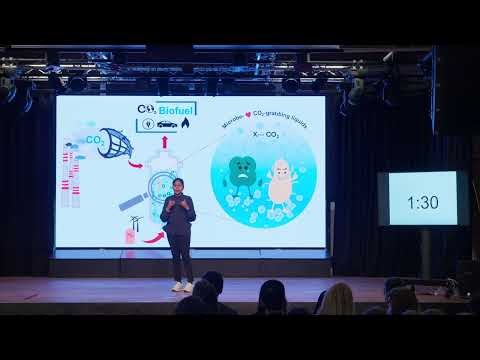
Current CO₂ capture methods are inefficient and harmful to microbes used for biofuel production. This research studies how CO₂-capturing liquids damage fuel-producing microbes and identifies tolerant strains. By understanding microbial responses at the genetic level, it aims to design microbe-friendly capture systems that convert carbon dioxide into useful fuels.
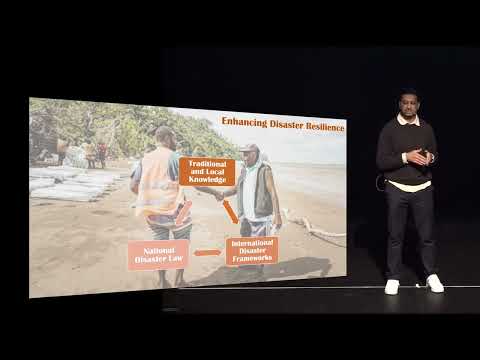
This research examines how traditional and local knowledge (TLK) can be meaningfully integrated into disaster risk reduction laws in Fiji and Vanuatu. Through legal analysis, case studies, and community interviews, it shows that TLK is not just cultural heritage, but a vital, science-based strategy for disaster resilience and survival.
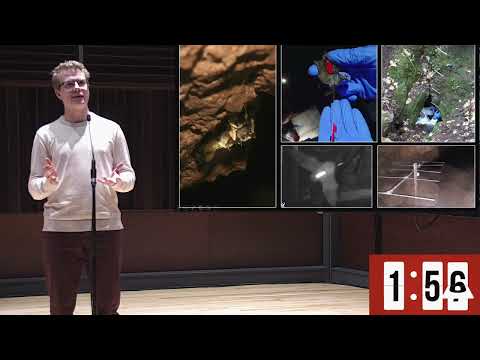
In the cool depths of a limestone cave, temperature, humidity, and darkness are constant — ideal conditions for hibernators to save energy over winter. Endangered little brown bats (Myotis lucifugus) may hibernate for up to eight months, emerging in spring with minimal stored fat. Exiting the cave on warm, calm days with higher insect activity could provide an opportunity to forage and recover from hibernation. But without weather cues from the outside world, how might hibernating bats anticipate good conditions for emergence? Atmospheric pressure changes, which precede warm and cold fronts, are sensed by many animals, and little brown bats appear to synchronize activity during hibernation with pressure patterns as spring approaches. Using infrared cameras and radio telemetry, my research monitors the activity of bats throughout their hibernation at a Manitoba cave to reveal how air pressure and weather influence their emergence timing and behaviour.