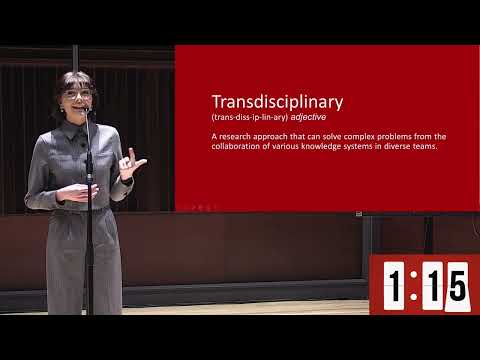
Transdisciplinary research approaches to climate change mitigation are being used more often given their strengths in collaboration, knowledge integration and collective decision making. Such approaches warrant more attention to understand how diverse teams produce knowledge and practice problem-solving. My thesis research explores the strengths and challenges of transdisciplinary research to offer future avenues for team collaboration and policy decision–making processes.
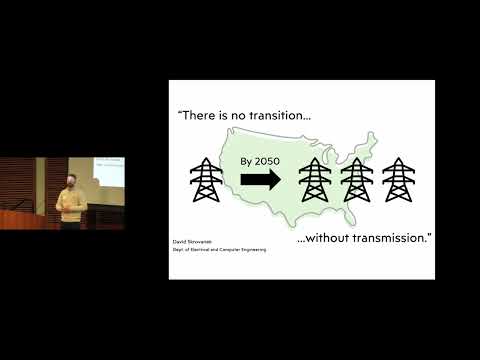
Achieving a carbon-free future requires not only renewable energy generation but also major upgrades to electricity transmission. This research develops electrostatic generators that produce high-voltage DC power more efficiently and sustainably than current technologies. By reducing costs and reliance on rare materials, the work supports grid expansion and large-scale decarbonisation.
Climate change is forcing marine species to migrate across hostile coastal environments. Using environmental DNA from seawater, this research demonstrates a powerful new way to detect and monitor biodiversity, revealing hundreds of species per sample. eDNA offers a scalable, sensitive tool for tracking ecosystem change and guiding conservation in rapidly changing marine environments.
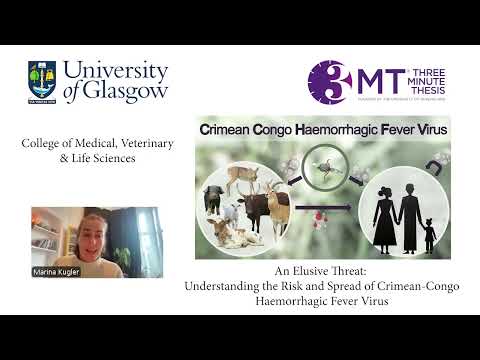
Crimean–Congo haemorrhagic fever is a deadly tick-borne virus affecting communities in Uganda and spreading with climate change. Through interviews and large-scale antibody testing, this research identifies how people are exposed to the virus, informing targeted prevention strategies such as awareness campaigns, tick control, behavioural change, and future vaccination planning.
This research investigates how forest soil health underpins resilience to climate change in Nova Scotia. By analyzing physical, chemical, and biological soil properties across diverse sites, the project develops a soil health framework to guide forest management, enhance carbon sequestration, and improve long-term ecosystem resilience.
This research examines how climate change affects Phytophthora infestans, the pathogen responsible for potato late blight. By studying pathogen growth, reproduction, and molecular changes under future temperature and CO₂ conditions, the project aims to inform climate-resilient disease management strategies and strengthen global food security.
This research explores human motion as a renewable energy source using nanogenerators made from nanomaterials. By converting everyday body movement into electricity, the work demonstrates a novel, sustainable approach to reducing reliance on fossil fuels and supporting a cleaner energy future.
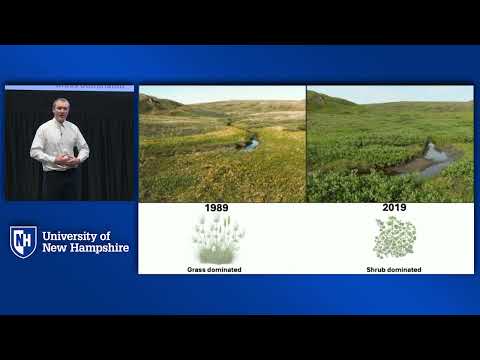
This research examines how shifts from grasses to shrubs in the Alaskan tundra alter root-associated microbial communities. Shrubs favor sugar-consuming microbes over soil organic matter decomposers, potentially reducing soil carbon loss. These plant–microbe interactions may help slow climate change by limiting greenhouse gas emissions.
This research evaluates whether reflective cool roofs can reduce indoor temperatures and improve health in climate-vulnerable communities. A global randomised controlled trial across four countries will assess impacts on physical and mental health, productivity, and hospitalisations, providing evidence on whether this affordable intervention is cost-effective and capable of saving lives.
Pagination
- Previous page
- Page 5
- Next page