A $2 portable HIV test chip that combines PCR-level sensitivity with home-test simplicity. Using magnetic microparticles, custom probes, and automated processing, it delivers rapid color-change results from a single drop of blood. The system could diagnose HIV and other viruses quickly, affordably, and anywhere.
Variants weaken current COVID vaccines because they target parts of the spike protein that mutate. This project uses nanoparticles displaying engineered versions of the conserved RBD region to steer the immune system toward making broadly protective antibodies. Computational design helps optimize immune targeting, potentially eliminating yearly boosters and protecting against future coronaviruses.
This research focuses on strengthening fragile mRNA molecules to create vaccines that are more stable, effective, and easier to distribute. By modifying mRNA structure to resist degradation, vaccines could be stored at higher temperatures and maintain potency, expanding access—especially in low-resource regions—and improving global readiness for future pandemics.
This research aims to solve the major weakness of mRNA vaccines—the need for constant cold storage—by packaging them inside ultra-stable protein “boxes” called encapsulins. These naturally robust containers protect mRNA in extreme environments. A working prototype now exists, offering the potential for globally distributable, freezer-free vaccines that remain effective anywhere.
This research uses harmless insect-specific viruses to block mosquitoes from becoming infected with dangerous human viruses like dengue or Zika. Through superinfection exclusion, an already-infected mosquito can’t host a second virus. The work explores releasing “pre-infected” mosquitoes as a safe, sustainable method to prevent disease transmission globally.
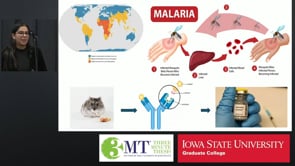
This research investigates how Plasmodium falciparum invades human red blood cells. By focusing on the neglected role of red cell surface structures, it aims to uncover molecular interactions essential for invasion. Understanding these mechanisms may guide the development of new treatments for drug-resistant malaria, a disease killing a child every minute.
Pagination
- Previous page
- Page 2