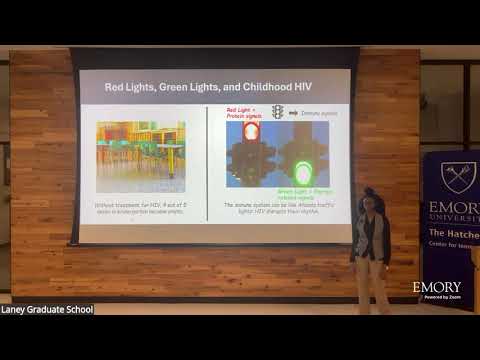
This research investigates how HIV disrupts the developing immune system in early life. Using a baby monkey model of HIV infection, the study identifies immune signals that either promote or limit infection spread. The findings could guide new immune-targeted therapies that improve survival and long-term outcomes for children living with HIV.
This research seeks blood-based biomarkers that predict which people infected with Chagas disease will later develop life-threatening cardiomyopathy. By analysing immune proteins in blood samples from Bolivia, it aims to enable earlier diagnosis, targeted monitoring, and preventative treatment, offering a model for predicting and preventing many chronic diseases before irreversible damage occurs.
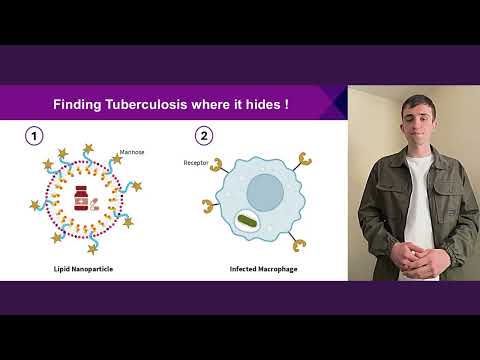
This research develops targeted lipid nanoparticle delivery systems to improve tuberculosis treatment and vaccination. By replacing PEG coatings and using mannose to target infected macrophages, it aims to deliver drugs more effectively, reduce treatment duration, improve vaccine performance, and contribute to the global elimination of tuberculosis.
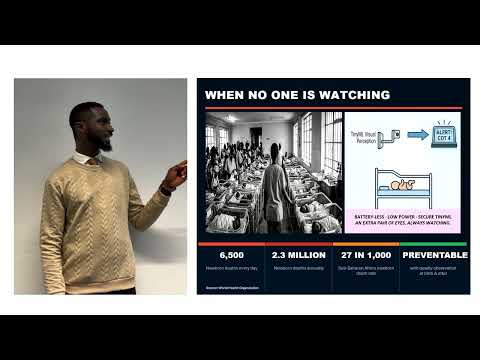
This research develops an ultra-low-power, battery-free newborn monitoring system for under-resourced hospitals. Using on-device artificial intelligence and energy harvesting, it continuously detects signs of distress while protecting patient privacy. The technology aims to support overstretched nurses, enable earlier intervention, and reduce preventable newborn deaths worldwide.
This research uses artificial intelligence to analyse immune-system data and predict vaccine effectiveness. By identifying early biological signals associated with strong, long-lasting immunity, the work aims to improve vaccine design, personalise vaccination strategies, and support development of universal vaccines capable of protecting against rapidly evolving infectious diseases.
2026
This talk explores red light laser therapy as an accessible recovery approach for minor brain injury. Using a portable device applied to eight head areas, the research tracks fatigue, pain, attention, memory, brain activity and saliva markers. Early participants showed improved symptoms, suggesting promise for practical, inclusive brain health support.
2026
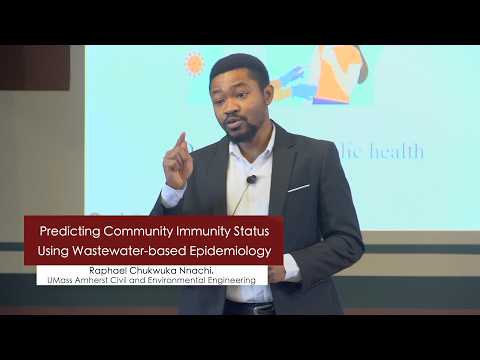
This research uses wastewater-based epidemiology to monitor antibodies excreted by communities, providing early insights into population vulnerability to infectious diseases. By analyzing antibody trends in wastewater over time, the work helps public health authorities identify at-risk communities, allocate resources more effectively, strengthen vaccination strategies, and improve outbreak preparedness.
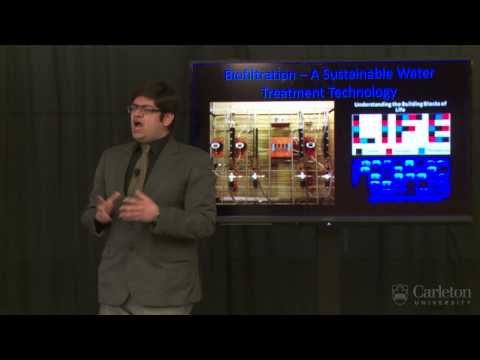
This research explores biofiltration as a sustainable alternative to chemical water treatment. By supplying bacteria with nutrients like nitrogen and phosphorus, it improves removal of harmful organic matter. Results show a 20% efficiency increase, reducing chemical use and risks, and offering a cost-effective solution for safe drinking water worldwide.
2017
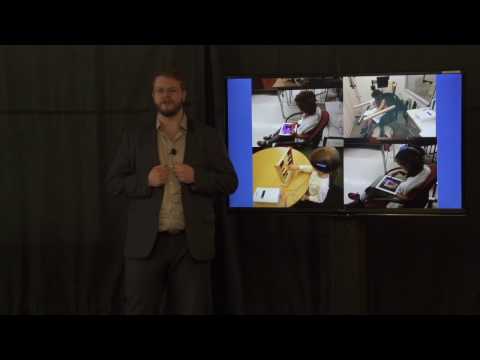
This research explores brain stimulation as a safe, low-cost alternative to medication for children with neurological and mental health conditions. Despite promising results across disorders, only a small fraction of studies involve children. The work aims to expand evidence and access, improving global treatment options, especially for low-income populations.

2026
This research improves combination vaccines by addressing antigen competition using injectable hydrogels that slowly release antigens. This approach produces balanced immune responses to multiple diseases, unlike traditional vaccines. The innovation could reduce the number of shots required, improve global vaccine access, and ensure more effective immunization, particularly in underserved populations.