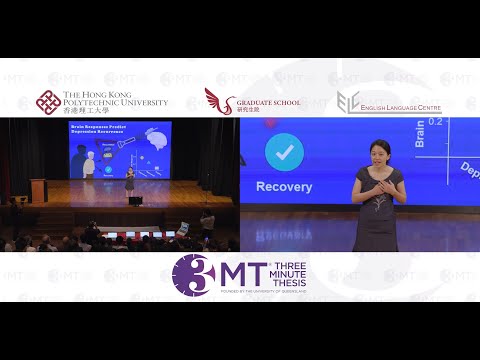
This study introduces a “brain stress test” for depression, combining targeted brain stimulation with neuroimaging. Depressed individuals show exaggerated brain responses, which increase with repeated episodes. The test may serve as an early warning signal, helping clinicians identify relapse risk and intervene before depression returns.

Using longitudinal data from 30,000 South Korean children, this study shows that child abuse significantly increases suicidal thoughts, especially with prolonged exposure. Crucially, strong social connections—such as team sports, supportive teachers, and caring neighbors—dramatically reduce this risk, highlighting social interaction as a key source of resilience.

Mental health disorders disrupt neural connections in the brain, yet most treatments only manage symptoms. This research explores psychedelic-inspired drugs that restore lost brain connections without hallucinogenic effects, using automated imaging tools to identify compounds that rebuild neural structure and offer lasting recovery.

This research proposes that psychotherapy works by reshaping cognitive maps in the brain, much like navigation. In depression, these maps become narrow and repetitive. By analyzing therapy language and concept networks, this work aims to make therapy more precise—helping clinicians visualize mental “stuck points” and guide patients toward healthier paths.
2025
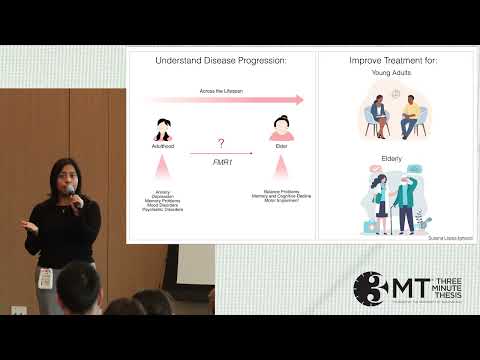
Psychiatric symptoms often precede neurodegenerative diseases, but the biological link remains unclear. This research examines the FMR1 gene using postmortem brain tissue to uncover shared molecular mechanisms, aiming to predict neurodegeneration earlier, improve treatment strategies, and reframe psychiatric symptoms as potential early warning signs.

This research evaluates whether reflective cool roofs can reduce indoor temperatures and improve health in climate-vulnerable communities. A global randomised controlled trial across four countries will assess impacts on physical and mental health, productivity, and hospitalisations, providing evidence on whether this affordable intervention is cost-effective and capable of saving lives.

This phenomenological study explores music therapists’ experiences working with women in the military. Findings highlight gender-based discrimination, the importance of advocacy and empowerment, and the influence of military culture on therapy. The research underscores a critical gap in the literature and calls for expanded, women-focused music therapy research.

This research explores how chronic stress reshapes the brain through genetic mechanisms. By studying the stress-regulating gene MeCP2 in mice, the work shows how early-life stress can lock the brain into a heightened anxiety state, revealing biological pathways that may inform future treatments for stress-related mental health disorders.

This research examines how multiple sclerosis disrupts meaning and identity beyond physical symptoms. A nurse-led, group-based intervention helps people with MS rebuild purpose and quality of life. By targeting meaning alongside medical treatment, the project addresses the often-overlooked psychological impact of chronic illness and offers a scalable model for holistic care.

2025
This research examines depression screening practices among physiotherapists treating back pain. Findings show screening is rare, indirect, and hindered by stigma, time pressure, and system constraints. The work highlights the need for validated tools, training, and policy change to normalise mental health screening and improve patient safety.