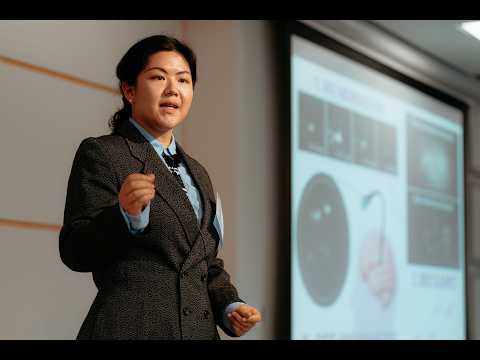
This research applies fluid mechanics, numerical simulations, and machine learning to model the brain’s waste-clearance system during sleep. By investigating how fluid moves through brain tissue and how aging or injury affect this process, the work aims to identify strategies for preventing or slowing neurodegenerative diseases such as Alzheimer's.

This research investigates the neurological causes of sleep dysfunction in people with myotonic dystrophy, a common multisystem muscular dystrophy. Using mouse models and brain activity monitoring, the study examines how diseased brains lose the ability to compensate for stress, providing new insights into sleep quality, cognition, and disease progression.

This research investigates how the brain uses different decision-making strategies and how those strategies vary across individuals, including people with neurodivergent conditions such as autism, schizophrenia, and ADHD. Using controlled game environments and brain imaging, the study maps neural decision-making circuits to better understand cognition, behavioural diversity, and potential therapeutic interventions.

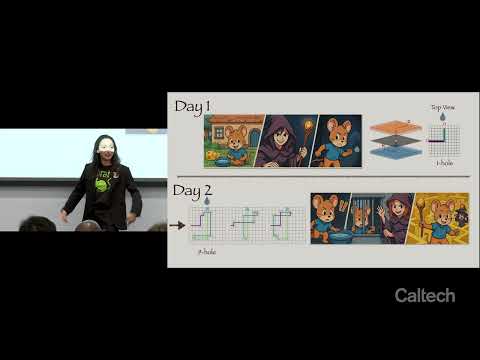
This research uses the Manhattan maze to study rapid learning and memory in mice. The study demonstrates that mice can acquire complex navigation sequences after only a few rewards, retain memories overnight, and generalize learned strategies to new mazes. The findings provide insights into few-shot learning, memory formation, and adaptive intelligence.

This neuroscience research investigates how the human brain constructs and adapts goals. Using fMRI and a dynamic decision-making game, the study identifies neural activity in the prefrontal cortex and anterior cingulate cortex associated with goal selection, valuation, and adaptation. The findings may help develop AI systems better aligned with human goals.

This neuroscience research investigates how the brain assigns value during decision-making. Using low-intensity focused ultrasound and human single-neuron recordings, the study examines the ventromedial prefrontal cortex and its role in transforming perception into choices. The findings may improve understanding of disorders such as obsessive-compulsive disorder and maladaptive decision-making.

This research shows that pauses in information streams alter decision-making. After a break, the brain increases effort, giving greater weight to subsequent information—a “peak-after-break” effect. A computational model explains this as a performance-effort tradeoff. Findings challenge traditional theories and suggest strategic pauses can shape attention, memory, and judgment.