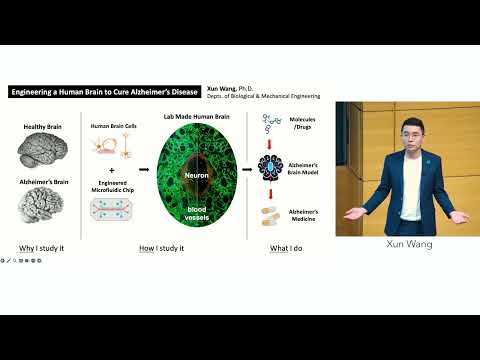
This research develops one of the most advanced human-engineered brain models to better study Alzheimer’s disease and test treatments. Using microfluidic chips containing all key brain cell types, blood-vessel systems, and Alzheimer’s-model neurons, the project enables efficient drug testing, personalised disease modelling, and the possibility of replacing animal testing in the search for a cure.

This research investigates how T cells influence microglial behavior in Alzheimer’s disease. Using a mouse model, the study found that removing T cells did not alter amyloid-beta plaques but unexpectedly led to healthier microglial activity and reduced myelin damage. The findings suggest T cells may worsen neurodegeneration and reveal new therapeutic avenues.

Human T-cell Leukemia Virus (HTLV) is a highly neglected virus that causes leukemia and neurodegeneration, with no current treatment. The researcher has developed siRNA-based RNA drugs that suppress the virus by up to 90%, prevent reactivation, and can be delivered via a nasal spray. This breakthrough could become the first effective antiviral therapy for HTLV.

This research focuses on developing reliable blood-based biomarkers to evaluate new treatments for hereditary frontotemporal dementia. By identifying an imbalance between two key molecules, progranulin and prosaposin, the work aims to provide accurate measures of treatment effectiveness and bring hope to families carrying this devastating genetic condition

This research maps how drugs travel from the cerebrospinal fluid into the brain, offering an alternative to the blood–brain barrier for treating Alzheimer’s disease. Using mouse models, the study identifies specific drug-entry routes and differences in drug penetration, paving the way for targeted, efficient therapies guided by a “Google Brain Map” of delivery pathways.

My research explores whether people with semantic dementia can relearn everyday words through simple, repeated online training. Patients practiced picture–word pairs daily for two months and showed strong, lasting improvements that transferred to real-life use. The findings offer hope for patients and reveal how targeted practice can reshape the brain despite disease.

My research uses AI and wearable technology to track brain and body signals such as brain waves (EEG), heart rate, and movement. The goal?  Spotting early signs of Alzheimer's and Parkinson's before symptoms show up. Catching these subtle changes could mean helping people sooner, letting them enjoy the everyday moments that matter most

The researcher rebuilds how cells sort materials to understand Alzheimer’s and Parkinson’s diseases. Using proteins and lipids like Lego pieces, they study how a key protein, retromer, malfunctions and disrupts cell transport. With cryogenic electron tomography, they aim to model this process and guide new treatments that restore healthy cellular function.