This research investigates how the olfactory system of the Spanish ribbed newt adapts between aquatic and terrestrial environments. By analyzing cellular and genetic changes in the nose, the study reveals remarkable sensory plasticity, offering broader insights into nervous system flexibility and potential implications for understanding neurodegenerative diseases such as dementia.
This research develops adaptable machine learning methods for wildlife monitoring using camera trap images. By clustering visually similar animal images, the system dramatically reduces the amount of manual labeling required while maintaining accuracy. The approach could enable faster, large-scale biodiversity monitoring critical for protecting endangered species worldwide.
This research develops a high-resolution chemical method for analyzing tree rings to reconstruct past climates and ecosystem responses. By measuring atomic-scale chemical variations within cellulose molecules, the study separates environmental signals from biological responses, enabling more detailed understanding of historical climate change, plant physiology, and long-term ecosystem adaptation.
This research examines how different sea turtle species uniquely shape marine ecosystems through their feeding behaviors. Studying green, loggerhead, and Kemp’s ridley turtles along Florida’s Gulf Coast, the work reveals species-specific ecological functions involving seagrass grazing, sediment mixing, and food web interactions that contribute to ecosystem resilience and coastal conservation.
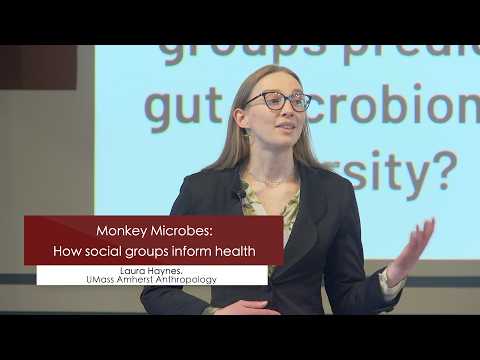
This research examines how social relationships influence the gut microbiome using Rwenzori Angolan colobus monkeys as a model. By combining social network analysis with microbial DNA sequencing, the study explores how beneficial bacteria spread through social groups and caregiving relationships, offering insights into the evolutionary connections between sociality and health.
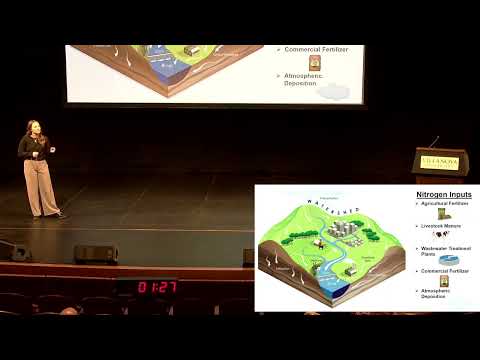
This study investigates how streams retain “memory” of nitrogen pollution from past land use. Using long-term data, it identifies a 3–5 year lag between nitrogen inputs and water quality impacts. It highlights the role of forests as natural filters and emphasizes managing both current and historical pollution to protect water supplies.
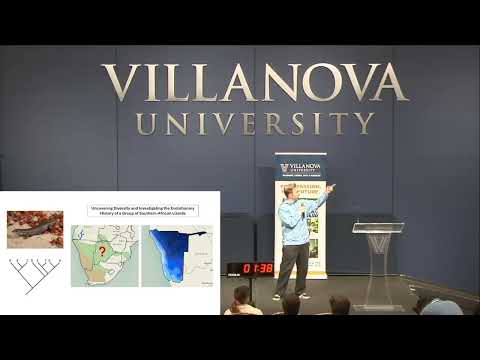
This research investigates whether a population of southern African skinks represents a distinct species using genetic and geographic data. Findings suggest river barriers and environmental gradients may drive speciation. By combining phylogenetics and ecological modeling, the study explores how landscape and climate shape biodiversity and species divergence in lizard populations.
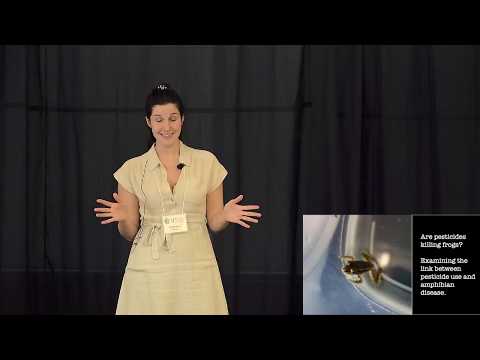
This research examines how neonicotinoid pesticides affect frog immune systems, contributing to amphibian decline. Since frogs naturally control mosquito populations, their loss may increase the spread of diseases like malaria. The study aims to inform regulatory policies by linking pesticide exposure to weakened immunity, disease susceptibility, and broader public health risks.
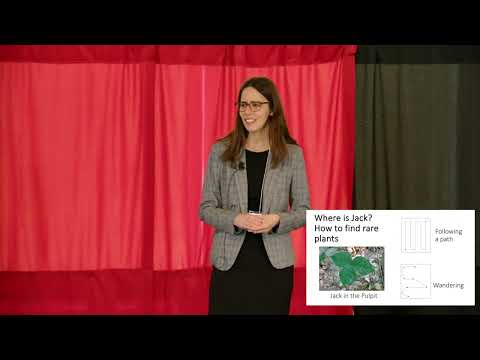
This study compares systematic versus exploratory search strategies for locating rare plants. Surprisingly, both methods performed equally, with low detection overall. Challenges such as navigation difficulty and multitasking may explain the results. The findings highlight the need for improved search methods to better identify and protect rare, threatened plant species.
This research shows that damselfly species lose color variation when living together, adopting distinct colors to avoid misidentification and conflict. Experiments reveal they cannot distinguish species when polymorphic, leading evolution to favor visual divergence. The findings illustrate how natural selection can reduce aggression and promote coexistence between closely related species.
Pagination
- Page 1
- Next page