
This research examines mental health and help-seeking among neurodivergent young people. Northern Ireland data reveal substantially higher rates of anxiety, depression, suicidal thoughts and self-harm, alongside greater online help-seeking. The research evaluates digital mental health support and works directly with young people to develop more accessible, neurodiversity-informed services and guidance.
2026
This research examines bereavement among UK university students, finding that one in five surveyed met criteria for prolonged grief disorder and experienced significant academic disruption. University support is often difficult to access or poorly signposted. The findings call for grief-aware policies that better protect bereaved students’ wellbeing and educational futures.

This research challenges the assumption that screens are always harmful to sleep. Digital media may either displace rest or help people relax, depending on how it is used. A new research app combines sleep tracking, smartphone activity, and daily self-reports to investigate real-world relationships between media use and sleep.

2025
This research developed NanoX, a nanoscale fluorescent sensor that images oxytocin release from individual neurons in real time. By revealing patterns of brain chemistry associated with mental health disorders, the technology could enable earlier diagnosis, improve understanding of neurochemical signaling, and support both preventive and personalized mental healthcare.

2026
This thesis examines who turns to AI for mental health support, rather than whether AI can be a therapist. Drawing on TherapyGPT forum analysis and ongoing experiments, the research identifies fear of judgment, trust in AI and past therapist failures as possible drivers of AI therapy use.

This anthropological research investigates traditional medicinal uses of psilocybin mushrooms in Lesotho. Interviews with local healers revealed treatment practices that differ substantially from Western clinical models, including low-dose administration over extended periods and applications for epilepsy and psychosis. The findings may broaden future directions for psychedelic medicine research.
2025
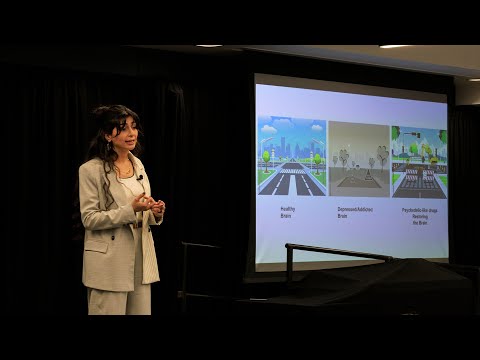
This research develops automated tools to identify psychedelic-inspired compounds that restore lost neural connections associated with depression, anxiety, and addiction. Using advanced imaging and custom analysis software, the project screens potential therapeutics that promote neuronal growth, aiming to create treatments that repair brain circuitry rather than simply managing symptoms.

2026
This thesis examined how adverse childhood experiences (ACEs) affect mental health and brain development. Using data from the ABCD Study, the researcher found that ACEs were linked to both mental health symptoms and a thicker prefrontal cortex. The findings suggest the brain may adapt to adversity, highlighting new questions about resilience.
2026
Infertility affects one in six adults and carries profound emotional, psychological, and social burdens often overlooked in medical care. This research evaluates a four-week yoga intervention for individuals undergoing IVF, aiming to reduce anxiety and depression while improving quality of life, addressing the unmet psychosocial needs of those experiencing infertility.
2017
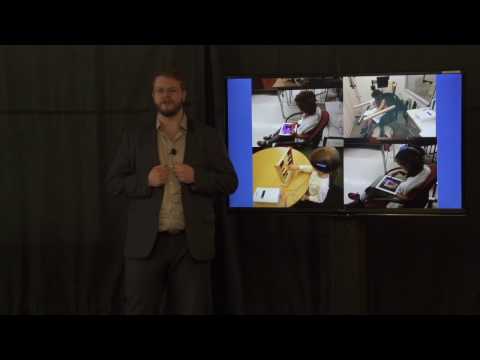
This research explores brain stimulation as a safe, low-cost alternative to medication for children with neurological and mental health conditions. Despite promising results across disorders, only a small fraction of studies involve children. The work aims to expand evidence and access, improving global treatment options, especially for low-income populations.