
This research explores whether altering bodily sensations can change emotional experiences. By manipulating perceived heartbeat, blinking, and muscle tension through wearable devices and virtual reality, it demonstrates that emotions can be reshaped without changing physiology, opening new possibilities for treating trauma, anxiety, eating disorders, and other mental health conditions

2025
This research examines whether changes in walking patterns can predict frailty before serious health events occur. Using smart insoles, GPS tracking, and machine learning, mobility data from older adults is analyzed to identify early warning signs of decline. The goal is to enable proactive interventions and support healthier aging.

This research develops soft, tissue-like implantable sensors capable of monitoring molecular signals inside the body in real time. By combining high-performance electronics with flexible, biocompatible materials, these devices could detect inflammation, stress, or organ damage before symptoms arise, enabling earlier diagnosis and more personalized healthcare.
2026
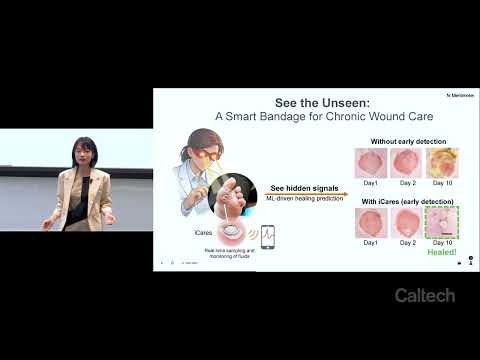
This research introduces iCares, a smart wound-monitoring bandage designed to detect infection and inflammation before visible symptoms appear. Using biosensors, fluid sampling, and machine learning, the system provides real-time wound analysis, enabling earlier intervention, personalized treatment, reduced complications, and improved healing outcomes for patients with chronic wounds.

2026
This research addresses exercise-related injuries by modeling individual physical capacity rather than relying on population averages. Using physiological and biomechanical data combined with machine learning, it aims to create personalized, dynamic thresholds for training. The goal is to prevent injury by aligning workload with real-time capacity, improving safety and long-term fitness outcomes.

2014
This research explores exergames that combine gaming and exercise to improve fitness. By integrating adaptive difficulty, full-body motion, and narrative storytelling, it aims to create experiences that are both engaging and physically effective. The goal is to motivate sustained exercise by making workouts enjoyable and personalized through game design.

2019
This research introduces “Countmarks,” an ergonomic interaction method for smart glasses using multi-finger gestures on a smartphone. It offers a faster, more accurate, and private alternative to controllers, voice commands, and mid-air gestures. The system improves usability, accessibility, and safety, particularly in real-world contexts like walking or driving.

This research explores how wearable technology can improve video game accessibility for players with upper limb disabilities. Through interviews, it develops design guidelines emphasizing flexibility, independence, and modularity. The project aims to build and test prototypes, advancing inclusive gaming design and ensuring disabled players are better represented in interactive technology development.

This research develops context-aware AI integrated with extended reality glasses, enabling systems to perceive and interact within real-world environments. Applications include language learning and memory support. Findings show such AI fosters more natural, collaborative interactions, enhancing human perception, memory, and decision-making beyond traditional screen-based interfaces.

This research uses wearable data and AI to detect disease earlier by analyzing continuous health signals rather than isolated clinical snapshots. By personalizing models to individual baselines, the system identifies subtle changes linked to conditions like infections, heart issues, and mental health crises, enabling earlier intervention and potentially saving lives.