This research develops water-free electrolyte systems for electrochemical reactions and energy technologies. By replacing water with more stable solvents, the work enables improved batteries, renewable energy storage, and more efficient chemical manufacturing. Applications include long-range electric vehicles, planetary exploration systems, and lower-cost pharmaceutical production using recyclable chemical reagents.

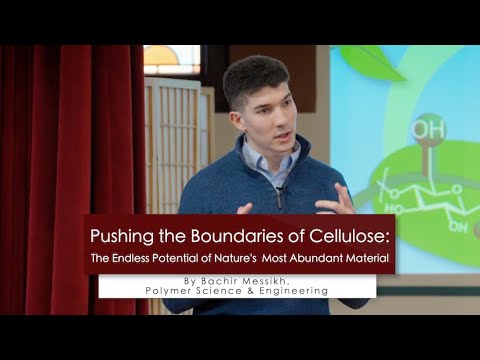
This research develops a new chemical process for modifying cellulose while keeping it in water, overcoming longstanding compatibility problems between cellulose and oil-soluble molecules. The method enables cellulose to incorporate electronic and pharmaceutical components, opening pathways toward sustainable electronics, advanced materials, targeted medicines, and greener technologies based on renewable natural resources.

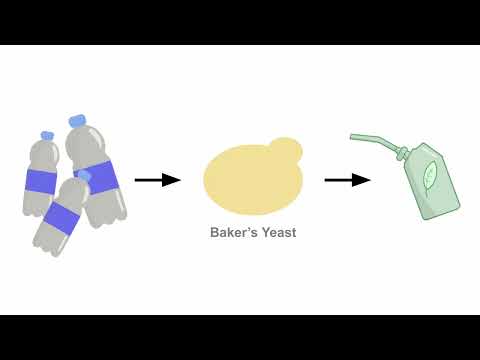
This research engineers yeast to convert PET plastic waste into valuable chemicals like PCA, enabling the production of biofuels, pharmaceuticals, and biodegradable materials. By transforming low-value plastic into high-value products, it offers a scalable biotechnological solution to reduce pollution and support the transition to sustainable, circular economies.

This research addresses the trade-off between sustainability and performance in plastics. By developing a “molecular spring” derived from biomass, the work strengthens biodegradable materials like PLA and enables multifunctional bioplastics. The goal is to create durable, convenient, and sustainable alternatives that support a circular economy without sacrificing everyday usability.

This research addresses plastic waste by rethinking polyethylene recycling. Instead of breaking polymers down, it explores chemical upcycling—adding functional groups to create higher-value materials. By transforming waste into useful products, this approach aims to enable a circular plastics economy, reduce pollution, and provide sustainable alternatives to current inefficient recycling methods.

This research introduces a sustainable, thread-based wearable device that measures lactate in sweat using chemiluminescence. By transforming cotton thread into a low-cost analytical tool, it enables simple, smartphone-based monitoring of physiological changes, offering an eco-friendly alternative to conventional biosensors for sports and health applications.

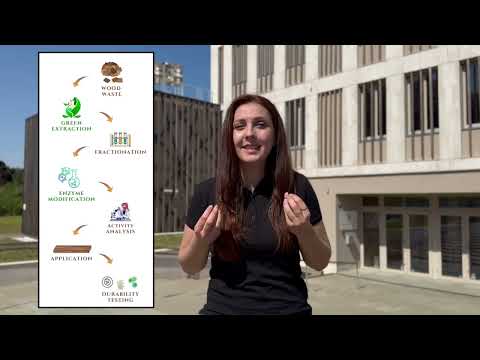
This research transforms wood waste into bio-based protection agents for construction timber. Using green extraction methods and enzymatic modification, natural compounds are isolated and enhanced to replace toxic chemical treatments. Laboratory testing confirms their antimicrobial, antioxidant, and weather-resistant properties, supporting sustainable wood protection and circular economy principles.

This research presents a simple, low-energy method to remove and destroy PFAS “forever chemicals” from water. By chemically transforming PFAS to behave less like soap, over 98% can be separated and fully degraded, offering a scalable and environmentally friendly solution to widespread drinking water contamination.

Chemical reactions are often slow and depend on catalysts. This research shows that simply applying electrical charge to a catalyst—without using energy—dramatically accelerates reactions, increasing rates tenfold for every 60 mV. A AA battery can reduce a universe-long reaction to one second, offering a powerful, sustainable route for chemical manufacturing.

This research develops improved catalysts that convert atmospheric carbon dioxide into sustainable fuel. By analysing how molecular design affects reaction efficiency, selectivity, and durability, the work creates strategies to accelerate the chemical process and prevent breakdown. The findings support large-scale renewable energy storage and help integrate clean fuels into future energy systems.