This research explores how autoimmune disease affects identity in young adults. Interviews with 25 New Zealanders revealed that diagnosis reshapes identity, relationships with the body, and perceptions of disability. The findings suggest that supporting identity—not just treating disease—could improve health behaviours, wellbeing, and long-term outcomes for people with autoimmune conditions.
2025
This research presents Afro-surrealism as a cultural framework for understanding Black lived experience beyond traditional models. By examining concepts such as strategic masking, inherent distortions, and temporal collapse, it demonstrates how alternative perspectives can inform cultural analysis, technology, design, and public history while generating more inclusive and innovative approaches to complex problems.
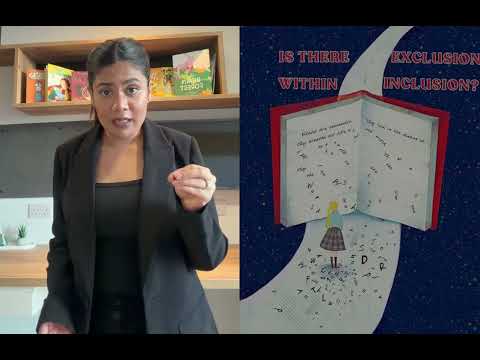
This research explores how children's literature represents neurodiversity and how those representations shape children's sense of identity and inclusion. By gathering perspectives from readers and educators, the project aims to develop a reading programme featuring authentic, diverse stories so every child can see themselves reflected in literature.
2026
This thesis examines representations of “strangeness” in The Tempest and their historical roots in medieval travel writing and early colonial exploration. By analyzing how Shakespeare constructs fear and fascination toward unfamiliar places and peoples, the research argues that strangeness is not inherent, but psychologically and culturally produced.
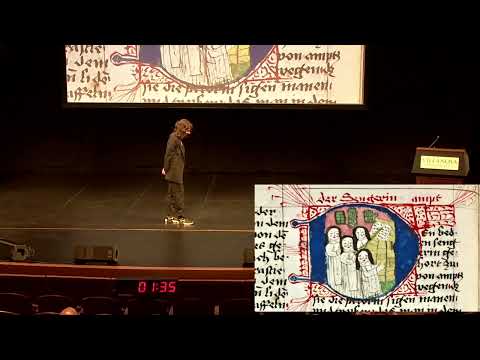
This research analyzes medieval letters between Heinrich Seuse and Margaret Ebner to explore alternative models of personhood. Through communal reading practices, Margaret is celebrated as complex and indeterminate. The study challenges rigid Western identity norms, highlighting a theological tradition that embraces ambiguity and values personhood beyond fixed categories and binaries.
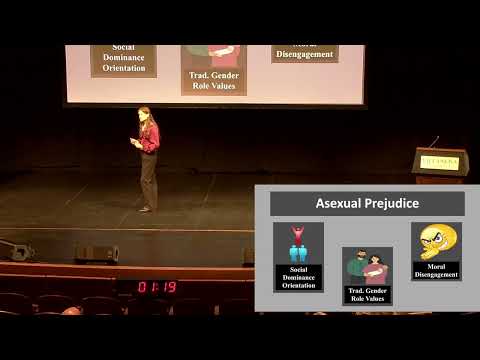
This study examines prejudice toward asexual individuals by analyzing links with social dominance orientation, traditional gender roles, and moral disengagement. Surveying 300 participants, it finds all three traits predict higher prejudice. The research advances understanding of bias mechanisms and informs future interventions to reduce discrimination against asexual individuals.
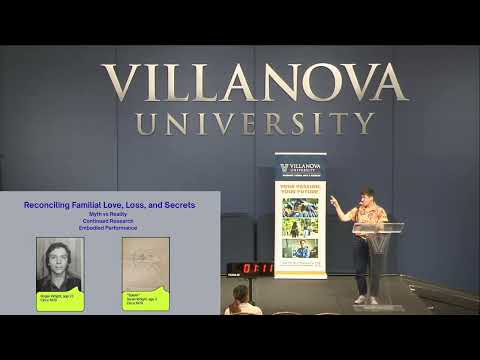
A rediscovered childhood drawing sparked an exploration of a deceased uncle’s life through his writings and letters. The research reveals themes of secrecy, sexuality, and isolation, raising intergenerational questions about identity, family, and belonging. This personal and archival investigation forms the basis of a solo play examining memory, legacy, and self-understanding.
2026
Career paths and life patterns are often transmitted across generations not through explicit instruction but through embodied habits and daily behaviors. Analyzing a play about intergenerational military service, this research shows how subconscious routines shape identity, highlighting how recognizing these patterns allows individuals to consciously break cycles or build new legacies.
This research explores the nature of human identity through philosophical traditions from Socrates to Kant and Adorno. It proposes “dialectical humanism,” arguing that humans are defined by unresolved tensions between instinct and reason. Rather than resolving contradictions, the work suggests that embracing these dualities is essential to understanding what it means to be human.

This research explores “emotional infrastructure” in cities—small, often overlooked traces like graffiti and stickers that foster connection and belonging. It argues that urban experience is shaped not just by physical structures but by shared emotional signals, urging people to break out of digital isolation and engage with the lived environment around them.