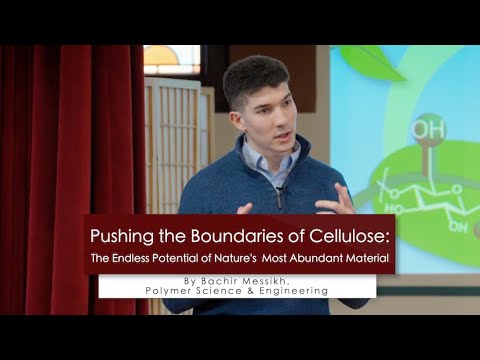
This research develops a new chemical process for modifying cellulose while keeping it in water, overcoming longstanding compatibility problems between cellulose and oil-soluble molecules. The method enables cellulose to incorporate electronic and pharmaceutical components, opening pathways toward sustainable electronics, advanced materials, targeted medicines, and greener technologies based on renewable natural resources.

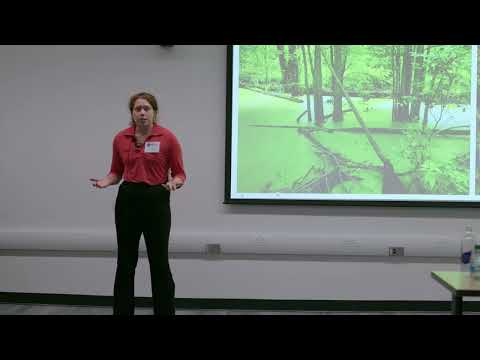
This research investigates phosphorus pollution in Lake Warner by comparing water movement and phosphorus transport through urban and forested landscapes. Forests naturally filter phosphorus due to slower water travel and greater infiltration, while urban runoff accelerates pollution. The study identifies how interventions such as rain gardens can reduce phosphorus loading into lakes.

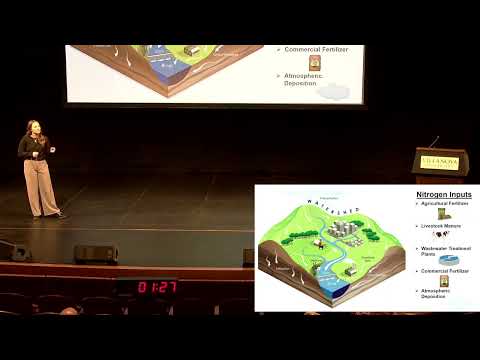
This study investigates how streams retain “memory” of nitrogen pollution from past land use. Using long-term data, it identifies a 3–5 year lag between nitrogen inputs and water quality impacts. It highlights the role of forests as natural filters and emphasizes managing both current and historical pollution to protect water supplies.

Road salt, widely used for winter safety, contaminates waterways and drinking supplies by increasing sodium and chloride levels. This year-long study of Pennsylvania watersheds found consistent exceedances of EPA guidelines, posing risks to human health and aquatic ecosystems. The research highlights the need to reduce salt use and adopt more sustainable deicing practices.

This research investigates how nitrogen pollution influences the reproduction and northward migration of black mangroves under climate change. Increased nitrogen boosts reproduction, potentially accelerating coastal expansion. As mangroves protect shorelines from erosion and storms, understanding these dynamics is crucial for environmental management and climate adaptation strategies.

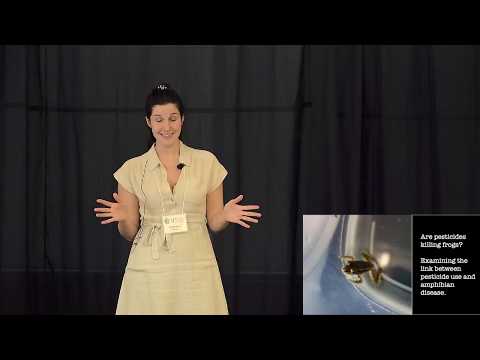
This research examines how neonicotinoid pesticides affect frog immune systems, contributing to amphibian decline. Since frogs naturally control mosquito populations, their loss may increase the spread of diseases like malaria. The study aims to inform regulatory policies by linking pesticide exposure to weakened immunity, disease susceptibility, and broader public health risks.

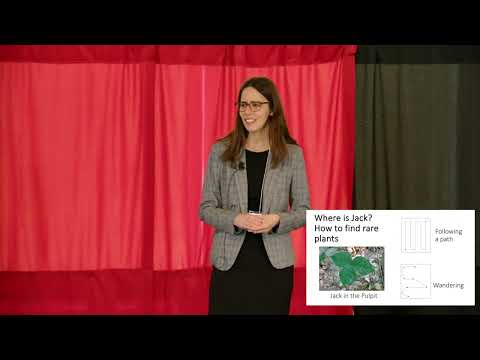
This study compares systematic versus exploratory search strategies for locating rare plants. Surprisingly, both methods performed equally, with low detection overall. Challenges such as navigation difficulty and multitasking may explain the results. The findings highlight the need for improved search methods to better identify and protect rare, threatened plant species.

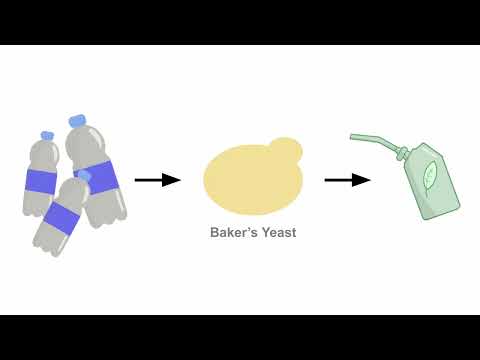
This research engineers yeast to convert PET plastic waste into valuable chemicals like PCA, enabling the production of biofuels, pharmaceuticals, and biodegradable materials. By transforming low-value plastic into high-value products, it offers a scalable biotechnological solution to reduce pollution and support the transition to sustainable, circular economies.

This research investigates methane emissions from restored marshes as a climate solution. While marshes sequester CO₂, their methane output varies widely. By measuring emissions and environmental factors, the study examines how interactions influence outcomes, highlighting that restoration can aid climate mitigation but requires deeper understanding to ensure effectiveness.