This dissertation examines whether describing crowd disasters as “stampedes” affects how people assign blame. The talk argues that the term wrongly implies irrational, selfish victim behaviour, obscuring structural failures in planning and crowd management. Experiments will test whether language shifts blame from systems to victims in perceptions of crowd crushes.
This research examines name-based discrimination in hiring by analyzing resume studies comparing majority and minoritized names. The findings show that perceived warmth and competence strongly influence callback rates, revealing how stereotypes shape employment opportunities. The work highlights the psychological burden of identity concealment and proposes fairer, more transparent hiring practices.
This research explores how sports fans understand sports-related tattoos as expressions of identity and commitment. Through interviews with tattooed fans, the study reveals that sports tattoos function as permanent, deeply personal symbols of fandom, memory, and values, extending beyond traditional consumer behaviors such as jerseys, merchandise, or attending games.
This research develops a group-based attachment intervention for emerging adults, particularly college students. Combining individual attachment-history interviews with peer group discussions, the program promotes mentalization, emotional security, and relational growth. Using mixed-method evaluation, the study explores how young adults can reshape attachment patterns and build healthier interpersonal relationships.
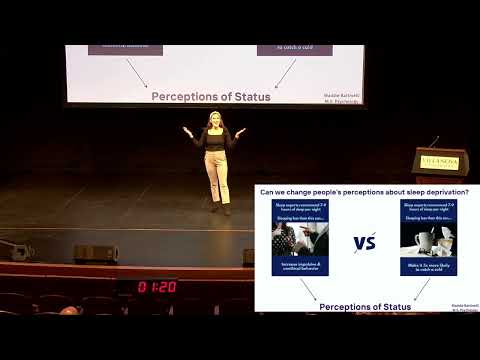
This study examines “status-striving sleep deprivation,” where lack of sleep signals status. It tests whether infographics can shift perceptions by highlighting work or health consequences. Findings aim to reduce glorification of sleep deprivation, challenge gendered interpretations, and promote healthier workplace norms, improving wellbeing and organizational effectiveness.
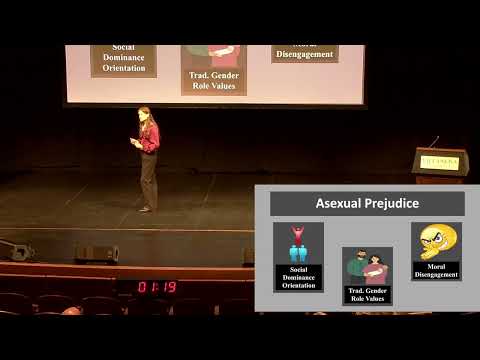
This study examines prejudice toward asexual individuals by analyzing links with social dominance orientation, traditional gender roles, and moral disengagement. Surveying 300 participants, it finds all three traits predict higher prejudice. The research advances understanding of bias mechanisms and informs future interventions to reduce discrimination against asexual individuals.
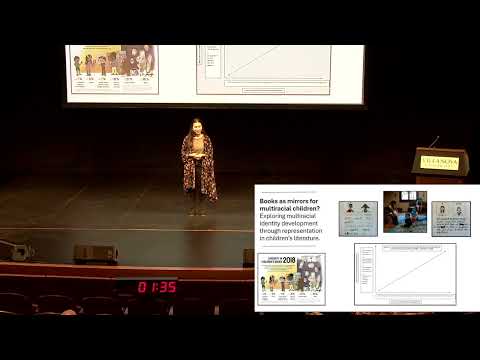
This study examines how multiracial representation in children’s literature influences identity development. Through a library reading program, observational, visual, and narrative data showed that multiracial children engage more deeply and express stronger identity integration when represented. Findings highlight the importance of inclusive storytelling in fostering belonging and supporting healthy racial identity formation.
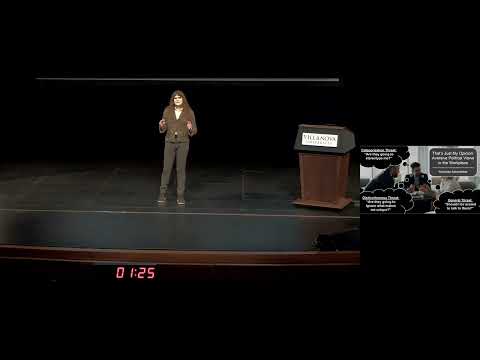
Political polarization increases identity threat during social interactions. This study examines how liberals and conservatives respond to politically and apolitically negative comments. Results show different types of identity threat emerge depending on context, with both groups experiencing similar levels overall. Findings highlight the complexity and nuance of identity threat in political engagement.
This research examines gender bias in leadership recognition. Despite evidence that women exhibit effective transformational leadership, male employees often undervalue female leaders. This bias affects promotion decisions, reinforcing the glass ceiling. The study highlights the need to address perception gaps to achieve genuine gender equality in senior leadership roles.
This research examines how keeping secrets in romantic relationships harms well-being. It introduces “fear of discovery,” the anxiety that secrets will be revealed unintentionally. Findings show this fear increases obsessive thinking and reduces relationship and life satisfaction, offering new insight into why secrecy negatively affects mental health.
Pagination
- Page 1
- Next page